kissanattachakki.shop

Uncategorized

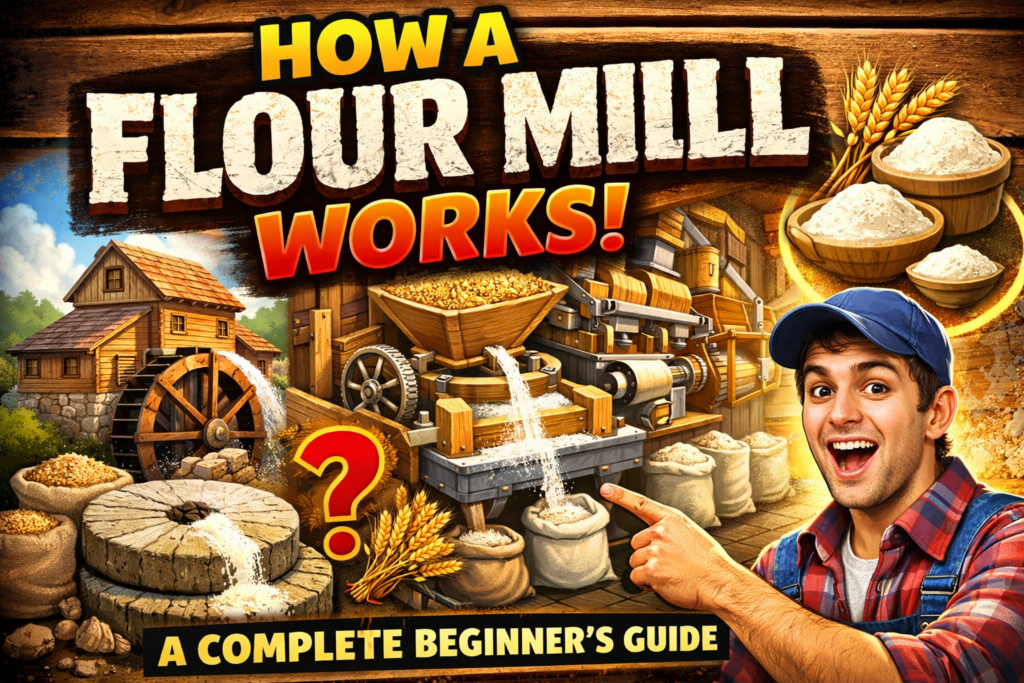
How a Flour Mill Works: A Complete Beginner’s Guide

Flour is a fundamental ingredient found in everyday foods such as roti, paratha, and bread. The journey to producing flour begins with the careful selection of high-quality grains, including wheat, rice, or maize. Using superior grains guarantees a better flavor, texture, and nutritional value. Grain Inspection: Before milling, grains are thoroughly examined for moisture content, pest presence, and damage. Only those that are clean and healthy make it through to the milling stage. Cleaning Process: Upon arrival, grains are often mixed with dust, stones, and husk. Machines known as separators and destoners are employed to eliminate these unwanted impurities. Clean grains are crucial for creating top-notch flour and safeguarding milling equipment. Conditioning Stage: A small amount of water is added to the grains during this phase. This moisture softens the outer layer, or bran, making it easier to grind and enhancing the flour’s texture. Grinding (Milling): This is the pivotal step where grains are transformed into flour. There are two prevalent methods of grinding: the traditional Chakki, which uses stone grinding to yield fresh flour, and the more modern roller mills that grind in multiple stages, ensuring a consistent quality. Sifting and Separation: Once ground, the flour is sifted through various sieves to separate different products, including: Atta (whole wheat flour), Maida (refined flour), Sooji (semolina), and Bran. Each type has its specific uses in cooking. Fortification (Optional): Some mills choose to enrich the flour by adding nutrients like iron and vitamins, enhancing its health benefits. Packaging: Finally, the flour is packed under hygienic conditions. Proper packaging is essential to keep it fresh and safe for consumption, with labels providing important product and nutritional information. Types of Flour Mills: There are local mills that offer fresh and customized flour, while industrial mills focus on large-scale production and distribution. In Conclusion: The process of flour production consists of several critical steps. Each phase is designed to ensure that the flour is clean, safe, and of high quality, transforming simple grains into a kitchen staple.
Uncategorized

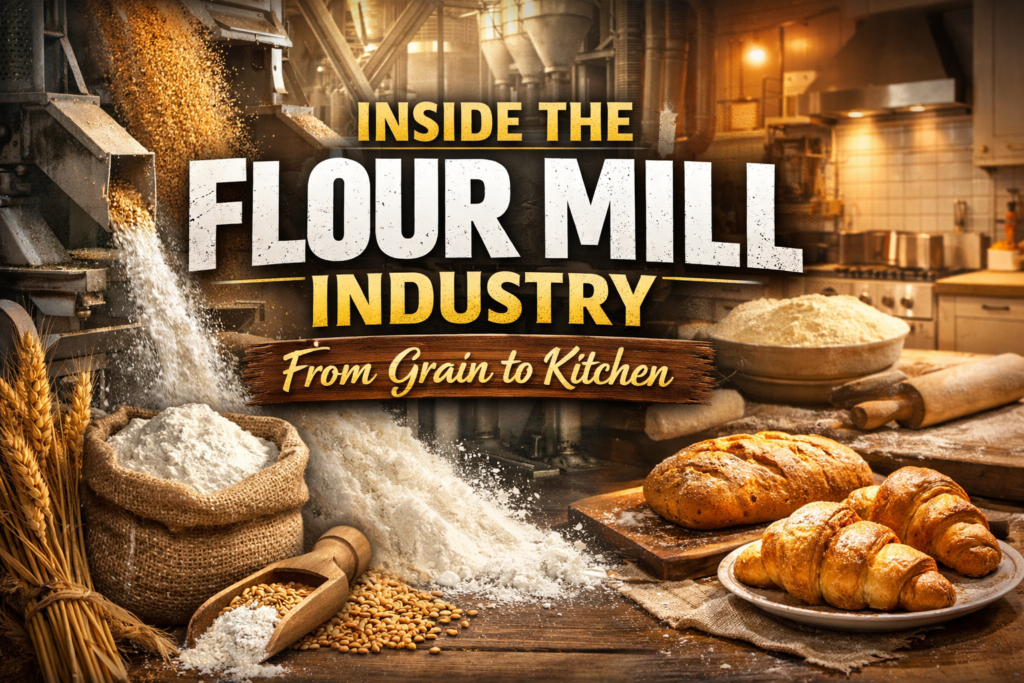
Inside the Flour Mill Industry: From Grain to Kitchen

The flour mill industry plays a crucial role in creating flour, a key ingredient in everyday foods like roti, bread, and biscuits. It all begins with sourcing top-notch grains such as wheat, rice, or maize from farmers. These grains undergo a rigorous quality check to ensure they are free from impurities and damage. Next comes the cleaning process, where machines are employed to eliminate dust, stones, husk, and other unwanted materials. Tools like separators and destoners are vital in ensuring the grains are pure. Clean grains not only enhance the flour’s quality but also help protect the milling machinery. Moving on to the conditioning stage, moisture is introduced to soften the grains. This step is crucial as it aids in separating the outer bran from the inner core. Proper conditioning guarantees a better texture and overall quality of the flour. Then, we reach the milling or grinding phase, where grains are transformed into flour using either traditional stone grinders (chakki) or modern roller mills. The roller mills grind grains through several stages, ensuring consistent results and converting them into fine, usable flour. After milling, the flour goes through a sifting and separation process to distinguish various products like maida, sooji, and bran, each serving different culinary purposes. Some mills also enhance their flour by adding nutrients like iron and vitamins. Once processed, flour is packaged under clean and hygienic conditions. Proper packaging is essential to maintain freshness and prevent any contamination, with labels providing vital information about the type and nutritional value. There are different types of flour mills; traditional local mills offer fresh and tailored flour, while large industrial mills focus on mass production and widespread distribution. Both types play a significant role in satisfying consumer demands. With the rising awareness of health, the demand for whole grains and fresh flour is climbing. Flour mills are responding by adopting better technology and enhancing quality standards. In conclusion, the journey from grain to kitchen involves several key steps. Each stage ensures that the flour we use daily is safe, clean, and nutritious. While flour may seem simple, its production requires a great deal of precision and care.

Scroll to Top